

Voice Phishing: Why ‘Vitalik’ Calling You for an Airdrop is a Scam
In the rapidly evolving landscape of cryptocurrency, scams are rampant, and one of the most deceptive tactics is voice phishing. Identifying these scams can save you from significant financial loss. Here’s how to spot a fraudulent call claiming to be from ‘Vitalik’ offering airdrops.
Understanding the Mechanics of Voice Phishing
Voice phishing, or vishing, is a scheme where attackers impersonate legitimate figures over phone calls to extract sensitive information or funds.
As of 2026, a staggering number of phishing attempts involve cryptocurrency influencers, leading potential investors to expose themselves to fraud. Currently, 90% of new tokens on the Solana blockchain succumb to RUG pulls within the first 24 hours, emphasizing the need for vigilance.
Key Characteristics of Phishing Calls
Look out for these signs that a call is likely a phishing attempt:
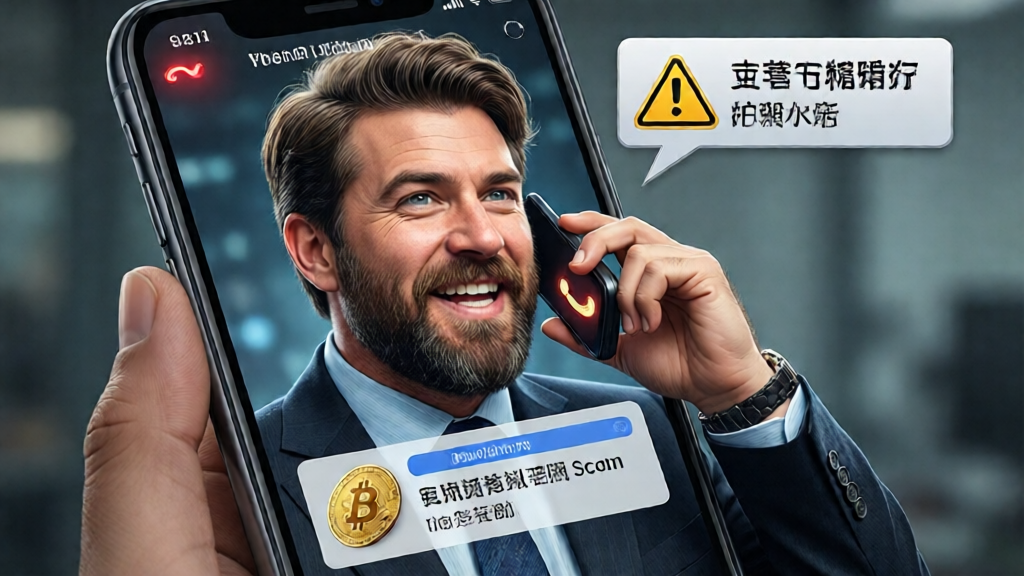
- Unsolicited offers: No legitimate influencer will call you personally about an airdrop.
- Pressure tactics: Scammers create urgency to get you to act quickly without questioning.
- Unusual requests: Never give personal details or send funds to secure an airdrop.
How to Verify Claim Authenticity
To confirm if a call is trustworthy, follow these steps:
- Look for official announcements on platforms like Twitter, Discord, or the project’s website.
- Reach out to verified accounts associated with the project to inquire about the allegedly upcoming airdrop.
- Check token contracts on blockchain explorers for legitimacy and existing permissions on transactions.
What to Do if You Are a Victim
If you believe you’ve been a victim of voice phishing:
- Disconnect immediately and do not provide any further information.
- Report the incident to your local authorities and relevant online platforms.
- Monitor your accounts for unauthorized transactions – secure your wallets as soon as possible.
Critical Security Measures to Stay Safe
To avoid falling prey to these scams, always adhere to these security practices:
- Enable multi-factor authentication on all crypto accounts.
- Use hardware wallets for storing cryptocurrencies instead of keeping them on exchanges.
- Regularly audit smart contracts before engaging with any new tokens.
Final Thoughts and Pro Tips
In summary, voice phishing attacks predominantly target unsuspecting crypto investors by leveraging familiar personalities. Remember, if it sounds too good to be true, it probably is.
To arm yourself against these scams, think critically about every incoming offer and always verify through official channels.
Remember: Don’t share your keys, never rush your investments!
防割口诀: 不轻信,立即查,保护好,财富安。


